

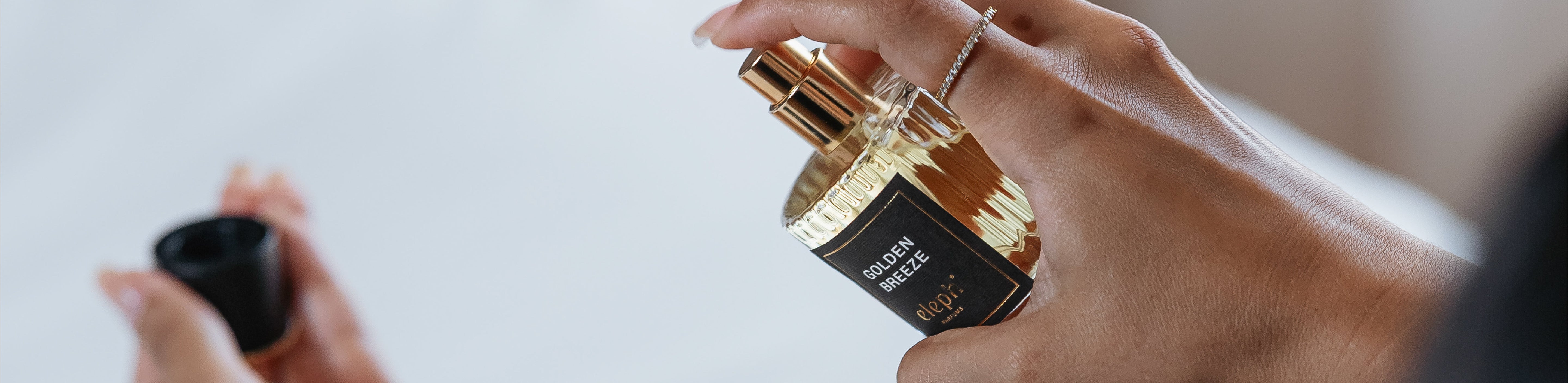
In the not-too-distant past, perfume was marketed primarily as a decorative accessory. The focus was on the bottle's design and the brand's prestige. As a general rule, a person owned only one bottle, which lasted a year and served as their personal "signature."
Today, the "collector" mentality views perfume as a functional commodity. Large collections allow individuals to treat fragrances as if they were a playlist. Instead of asking "Which perfume do I want to have?", we now ask: "How do I want to feel?" or "Who do I need to be today?".

Olfactory Playlist
A vast collection functions as an emotional thermostat. Because the olfactory bulb is directly connected to the amygdala and hippocampus (the brain centers of emotion and memory), scent is the quickest way to alter someone's internal state.
- Dopamine Rush: Frequently changing perfumes provides a "dose of novelty" that combats sensory habituation;
- Stress management: Collectors use specific notes (lavender, sandalwood, or musks) as grounding tools to manage anxiety in high-pressure environments;
- Energy Anchors: Vibrant citrus or spicy flavors are used as psychological "switches" to increase productivity or focus.

The Ritual of Choice
For the collector, the act of choosing a perfume from a collection of different fragrances is a ritual of mindfulness. It requires a moment of self-analysis: "How do I feel now and what does my environment need?" This elevates perfume from a passive hygiene step to an active practice of self-knowledge.
More than just a consumer phenomenon, the growth of these collections represents the democratization of olfactory well-being, where scent is used as an active tool for emotional balance.


